


Why High School Articulation Should Be Part of Every College’s Outreach Strategy
High school articulation builds enrollment pipelines and community partnerships. Why aligned CTE credit belongs in your outreach strategy.
Why High School Articulation Should Be Part of Every College’s Outreach Strategy
If your college is looking to build stronger pipelines, boost enrollment, and deepen community partnerships, high school articulation isn’t just a nice-to-have. It’s essential.
High school articulation allows students to earn college credit while completing aligned CTE courses in high school. These agreements are formalized between high school districts and community colleges, ensuring that the skills students gain translate directly into transcripted college credit.
But this isn’t just about the student benefit. It’s a strategic opportunity for your college.
Why It Matters for Colleges
1. Strengthens Enrollment PipelinesStudents who earn articulated credit are more likely to enroll at your college. They already have a student ID, are familiar with your institution, and have begun their academic journey with you. Articulation creates a clear bridge from K–12 to your college.
2. Supports Equity and AccessArticulation provides a no-cost onramp to college for students who may not see higher education as an immediate option. It allows systemically marginalized students to build confidence, experience early success, and recognize that college is within reach, all while remaining in their high school environment.
3. Aligns with Guided PathwaysBy integrating articulated CTE courses into your college’s pathways, you are not just recruiting students. You are helping them stay on track. These students often transition smoothly into certificates, degrees, and transfer programs that align with regional workforce needs.
4. Builds Stronger K–12 PartnershipsArticulation fosters deeper collaboration with local high schools and districts. It creates momentum for larger initiatives such as dual enrollment, CCAP agreements, joint advisory boards, and workforce development partnerships.
5. Generates Data and MomentumTracking articulated credit, student matriculation, and completion outcomes helps demonstrate impact to internal stakeholders and external funders. It shows your institution is committed to outreach, student success, and regional alignment.
The Bottom Line:
Articulation is low-cost, high-impact, and student-centered. When implemented effectively, it becomes a key part of your enrollment and equity strategies. It helps bring in students who are prepared, engaged, and already connected to your campus.
If your college hasn’t reviewed its articulation efforts recently, now is the time. The future of enrollment depends on meeting students where they are and helping them see college as part of their current path, not just a future goal.
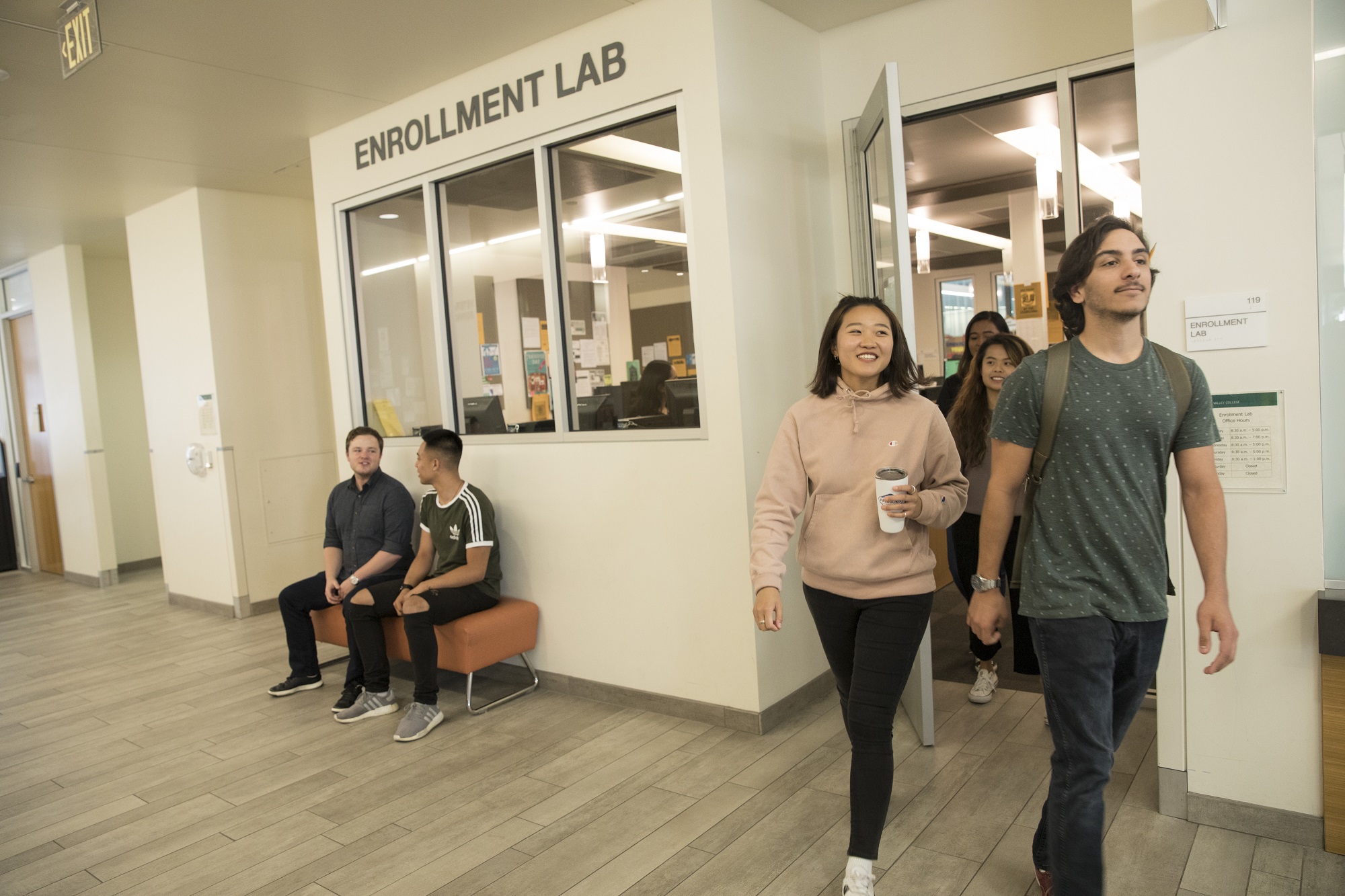

Unlocking opportunities for students and simplifying credit workflows — one clear, achievable step toward student success.