


When Census Hits, Fragmented Workflows Hurt Enrollment Outcomes
As dual enrollment scales nationwide, census deadlines expose fragmented workflows. Learn why operational clarity before census now drives funding accuracy and enrollment stability.
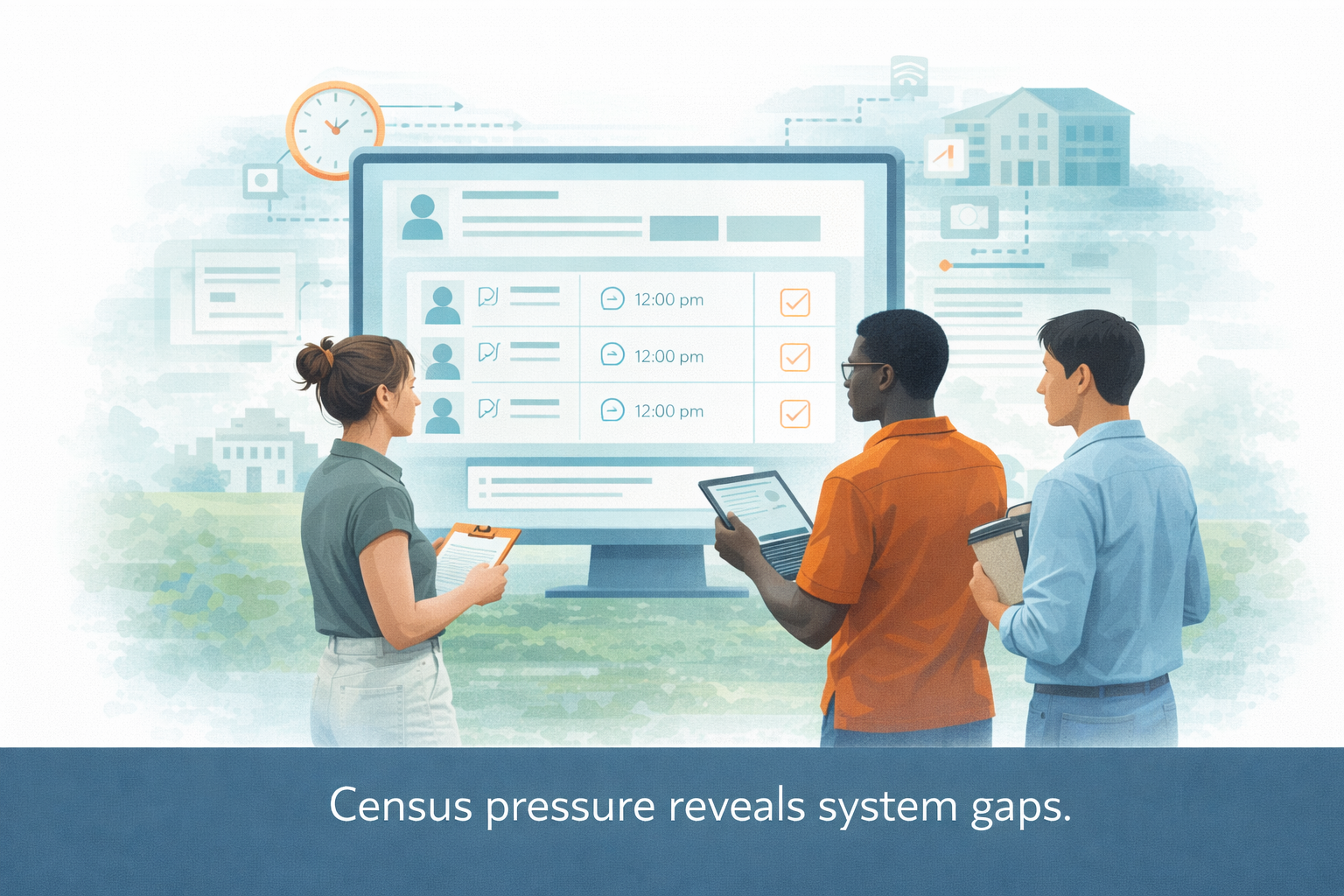
Census Day Is Where Systems Get Tested
Across the country, states have expanded dual enrollment, concurrent enrollment, and early college access. Tuition subsidies, scholarships, and statewide programs have made it easier than ever for students to earn college credit early.
That expansion is working.
What census day reveals is the next challenge: whether institutional systems can keep up with the volume those policies create.
When funding, reporting, and enrollment counts lock in on a specific date, there is very little margin for ambiguity.
What Colleges Are Reconciling at Census
By the time census arrives, colleges are often managing:
- Last-minute student adds and drops
- Dual enrollment rosters split between high school and college systems
- Verification of who is officially enrolled versus who should earn credit
- Manual cross-system checks using emails, PDFs, and spreadsheets
None of this work is new.
What’s new is the scale and time pressure under which it happens.
Why Census Pressure Amplifies Workflow Gaps
Fragmented workflows don’t always surface during quieter parts of the term. They surface when deadlines compress decision-making.
At census:
- Funding is tied to accurate counts
- State reporting windows are fixed
- Errors become financial and compliance risks
Under those conditions, even small inconsistencies multiply.
Census pressure doesn’t create operational issues. It exposes the ones already there.
Operational Clarity Is Now an Enrollment Safeguard
Colleges navigating census successfully are not doing more work at the deadline.
They’ve already stabilized how credit data moves:
- how rosters are shared
- how enrollment status is confirmed
- how changes are tracked and reconciled
- how a single source of truth is established
When those processes are clear before census, teams spend less time chasing information and more time validating it.
Access Has Scaled. Operations Must Follow.
State programs across North Dakota, South Dakota, Nebraska, Kansas, Oklahoma, Texas, Minnesota, Iowa, Missouri, Arkansas, Louisiana, Wisconsin, and Illinois reflect a shared goal: expand access and reward completion.
That policy layer is largely in place.
What institutions are working through now is the operational layer — making sure increased participation doesn’t translate into increased risk at census.
In today’s enrollment environment, operational clarity is no longer back-office work. It is part of enrollment strategy.
Platform Overview - Request a 20 minute Fit Call

Unlocking opportunities for students and simplifying credit workflows — one clear, achievable step toward student success.